
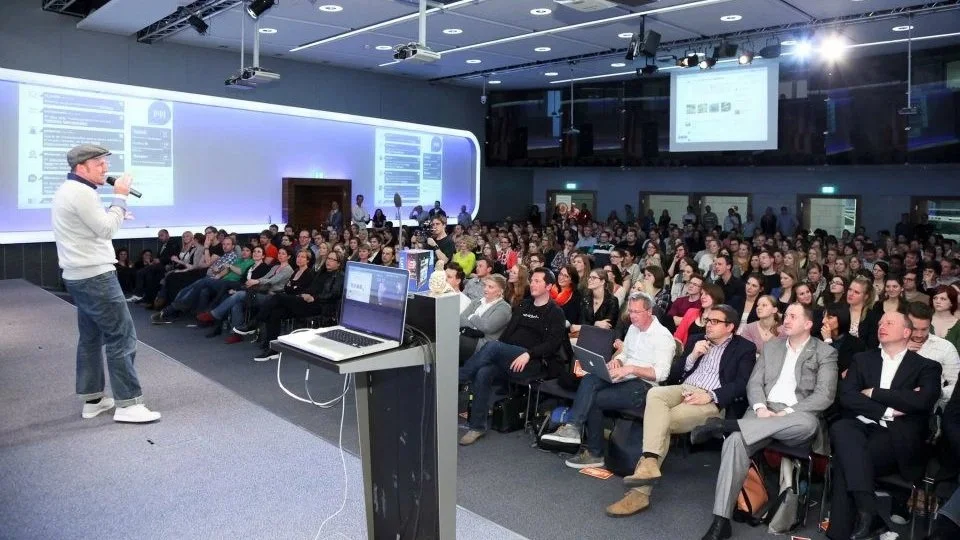
Gabriel McIntyre
Global Game Design Educator • Experiential Learning Designer • Creative Technology Practitioner
More than 25 years helping students design experiences that change how people learn, think and interact.
“I believe students learn best by building real experiences for real people. Throughout my career I have connected classrooms with industry, nonprofit organizations and international partners, giving students opportunities to solve authentic challenges while developing the skills needed for professional practice.”
25+ Years Teaching
15+ Courses Created
2000+ Students
5–10 Capstone Projects Supervised Annually
North America, Europe, Middle East
Industry + Academia
Teaching Philosophy
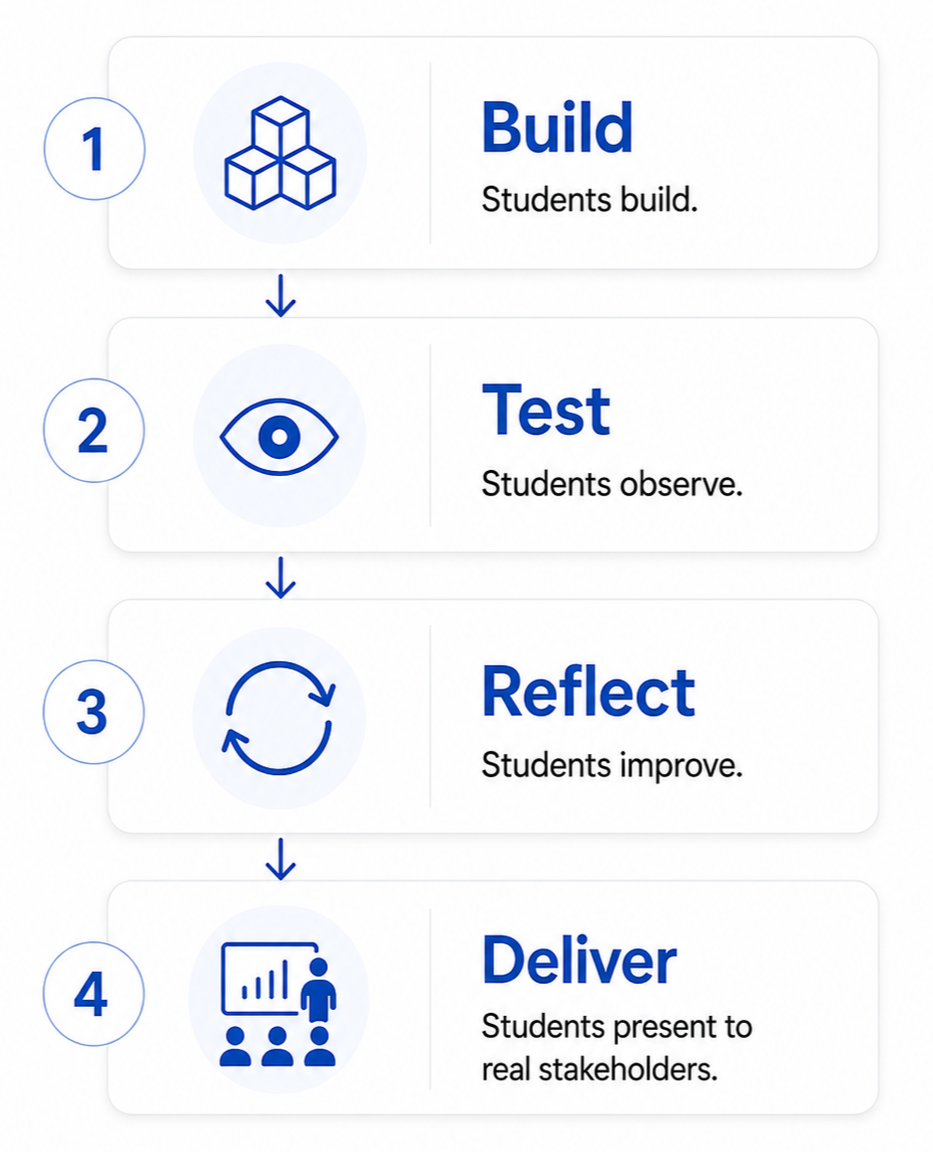
Build : Students build. Test : Students observe. Reflect Students improve. Deliver Students present to real stakeholders.
Teaching Areas
Game Design
Serious Games
Interactive Storytelling
Emerging Media
Film & Production
Creative Technology
Experience Design
AI in Design
Signature Learning Experiences
AR Graffiti
Students curate their own augmented-reality exhibitions inside museums such as the Rijksmuseum and Van Gough Museum, with projects reviewed on-site by industry professionals.
Serious Game Studio
Students work with nonprofits and organizations to solve real-world problems through game design.
Interactive Installations
Projection mapping. Interactive art. Physical computing. Escape rooms. Public installations.
Client Studio
Students collaborate with real clients and stakeholders while learning governance, communication and professional production.
Representative Highlights from Professional Practice
Apple
European Union
MINI
Coca-Cola
Aruba Tourism
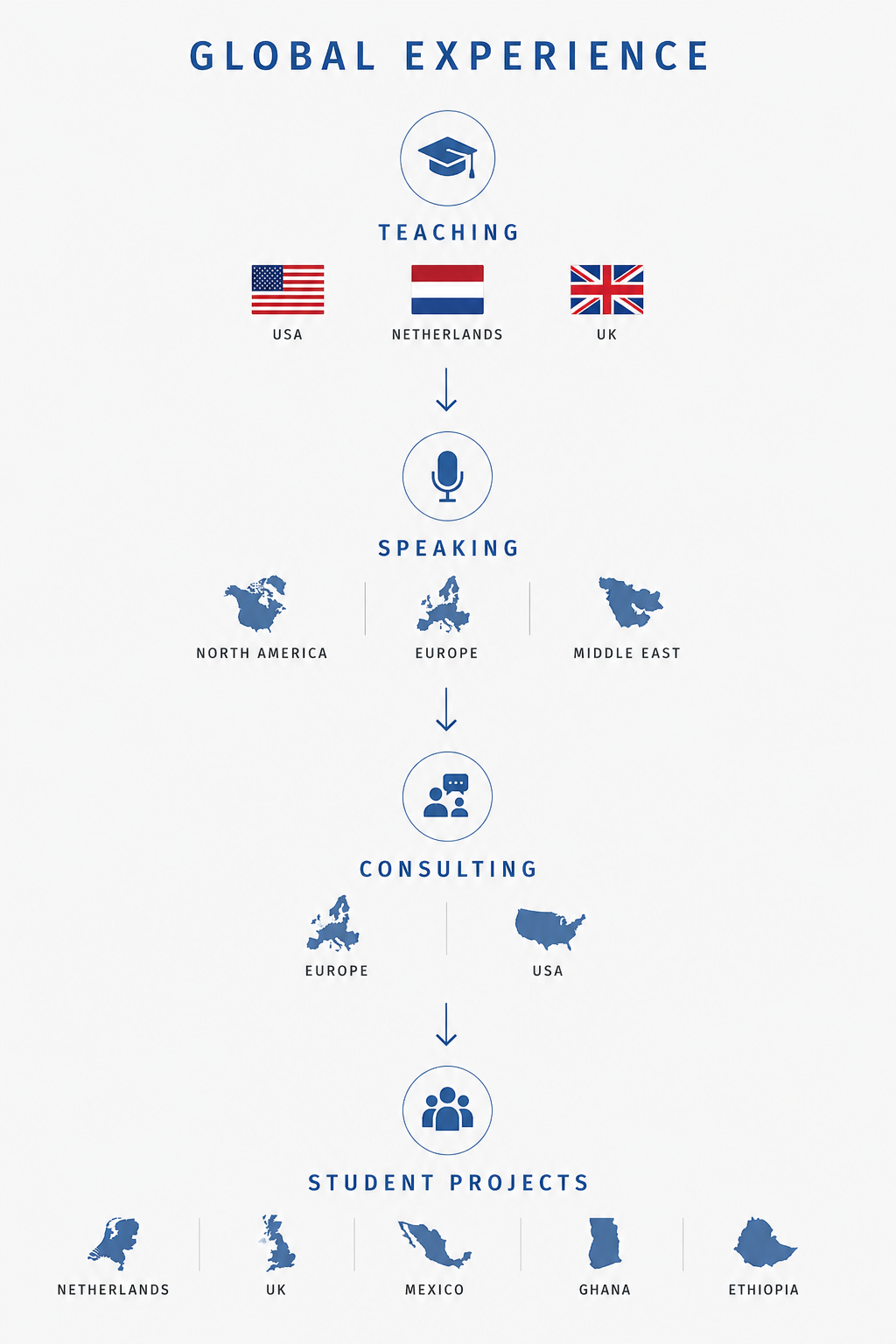
Global experience across teaching, speaking, consulting, and student-led projects—connecting classrooms and organizations throughout North America, Europe, the Middle East, and Africa.
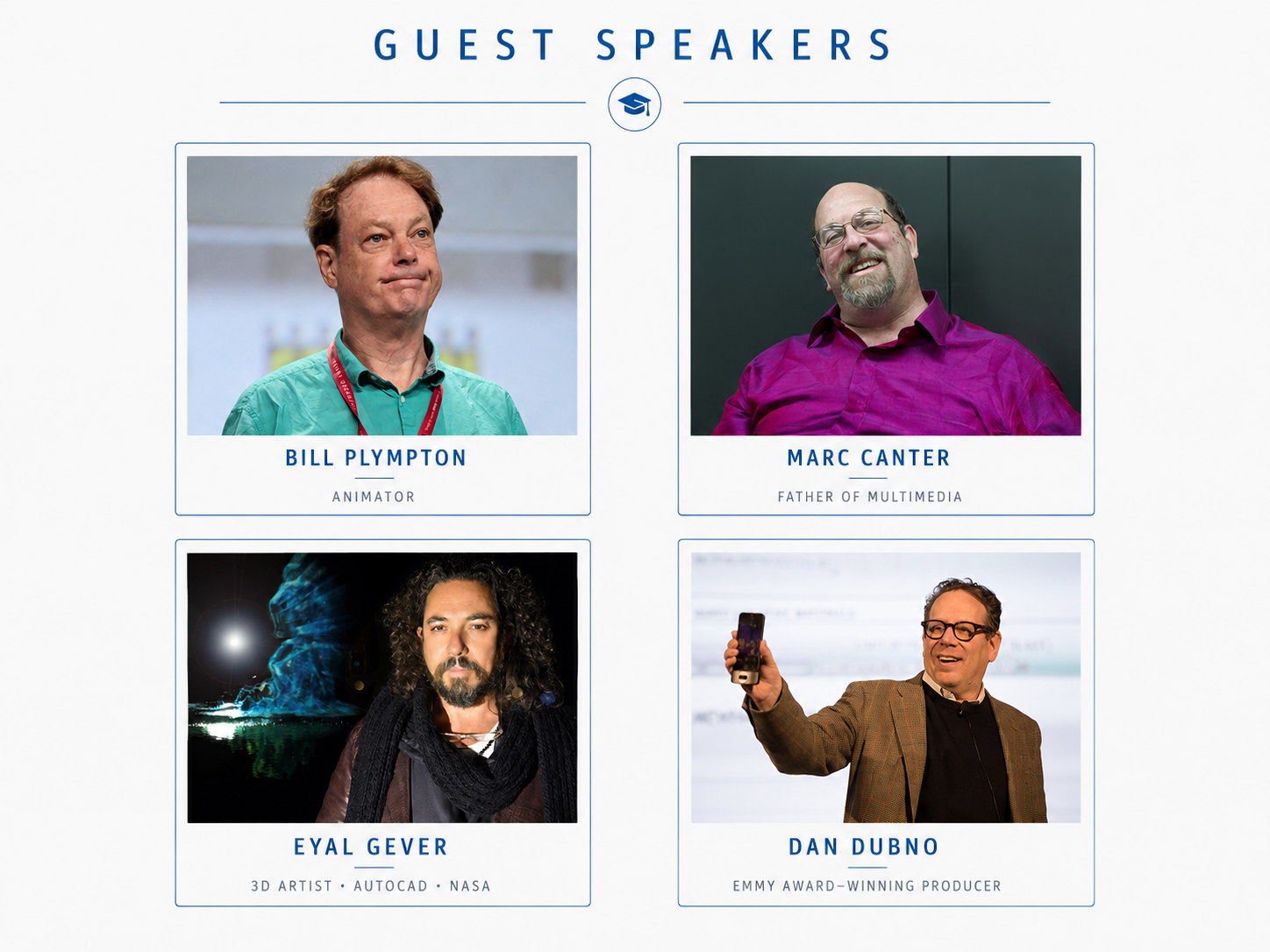
Some Guest Speakers include: Bill Plympton (Animator). Marc Canter (father of multimedia), Eyal Gever (3D Artist - Autocad, NASA), Dan Dubno (Emmy-Award Winning Producer)
Student Learning
My students have:
Worked with nonprofits
Produced installations
Produced interactive theatrical performances
Designed serious games
Created museum exhibitions
Worked with international stakeholders
Presented to professional clients
Courses I Teach
I teach courses across game design, serious games, interactive media, film, storytelling, creative technology, and professional practice.
My courses are designed around applied learning. Students move from theory into research, prototyping, testing, critique, production, and presentation. Wherever possible, assignments connect with real clients, nonprofit organizations, community partners, or authentic professional challenges.
-
Introduction to Game Design
Game Design Theory
Game Mechanics and Systems Design
Serious Game Design
Player Psychology and Experience Design
Game Production and Project Management
Rapid Game Prototyping
Game Design Documentation
Game Design Studio
Capstone and Graduation Project Supervision
-
Interactive Narrative
Transmedia Storytelling
Interactive Media Design
Emerging Media
Content and Media Design
Interactive Theatre
Experience Design
Location-Based and Participatory Media
Augmented and Virtual Reality Concepts
-
Film and Television Production
Digital Video Production
Editing and Post-Production
Online and Serial Video Production
New Media History and Practice
Live Production
Creative Direction
Media Production Management
-
Presentation Techniques
Media Business
Client-Based Creative Production
Stakeholder Communication
Project Governance
Community-Engaged Design
Portfolio Development
AI-Assisted Ideation and Pre-Production
Courses can be adapted for undergraduate, graduate, vocational, continuing-education, professional-training, online, hybrid, or in-person delivery.
Academic CV and Teaching Materials
My academic background combines more than 25 years of teaching with international professional practice in game design, film, interactive media, serious games, creative technology, and experiential learning.
The materials below provide additional information about my academic appointments, curriculum development, professional projects, teaching approach, and areas of expertise.
Downloads
Teaching and Academic Opportunities
I am currently based in North Metro Atlanta, Georgia, and am available for:
Adjunct and part-time faculty appointments
Lecturer and professor-of-practice positions
Guest lectures and workshops
Capstone and thesis supervision
Curriculum development
Continuing-education programs
Online and hybrid instruction
Industry and nonprofit project partnerships
I am particularly interested in opportunities involving:
Game Design
Serious Games
Interactive Narrative
Experiential Learning
Creative Technology
Film and Digital Media
Transmedia Storytelling
Emerging Media
Studio and Capstone Education
Academic Appointments
-
Lecturer in Game Design — Docent Game Design
2017–2021Full-time faculty appointment teaching Game Design Theory and Game Design Practice in a bachelor-level applied higher-education program.
Key responsibilities included:
Teaching multiple classes and academic-year groups of approximately 30 students
Creating and updating course curricula
Designing assignments, workshops and assessment criteria
Supervising graduation and final-year projects
Serving on graduation assessment and peer-review boards
Developing client-based projects with nonprofits and outside organizations
Teaching stakeholder communication, project governance and evaluation
-
Lecturer in Media and Game Design — Docent Media
1999–2019Held part-time and full-time faculty appointments across interdisciplinary programs in game design, film, animation, new media and interactive performance.
Program areas included:
Design for Virtual Theatre and Games
Game Design
Film and Television
Animation
New Media
Subjects taught included:
Game Design
Film and Television Production
Post-Production
Interactive Theatre
Content and Media Design
Online Film and Video
Live Production
Presentation Techniques
Media Business
Responsibilities included curriculum creation, graduation-project supervision, multidisciplinary production, client partnerships and assessment at bachelor’s and master’s levels.
-
Lecturer in Game Design and Media — Docent
2015–2017Full-time teaching appointment in a practice-oriented Dutch vocational media program.
Responsibilities included:
Teaching Game Design
Introducing mechanics, systems and player experience
Guiding practical design and production assignments
Assessing projects and presentations
Supporting team collaboration and production planning
-
Adjunct Lecturer
2016Delivered an invited presentation-technique workshop for scientists and researchers, covering visual communication, public speaking and the presentation of complex technical information.
-
Founder and Lead Instructor
2012–PresentDevelop and teach project-based courses in:
Game Design
Serious Games
Interactive Storytelling
Player and Character Psychology
Game-Design Documentation
Game Pre-Production
Presentation Techniques
My responsibilities include curriculum design, online and live instruction, educational media production, student mentorship and the development of practical tools for game designers.